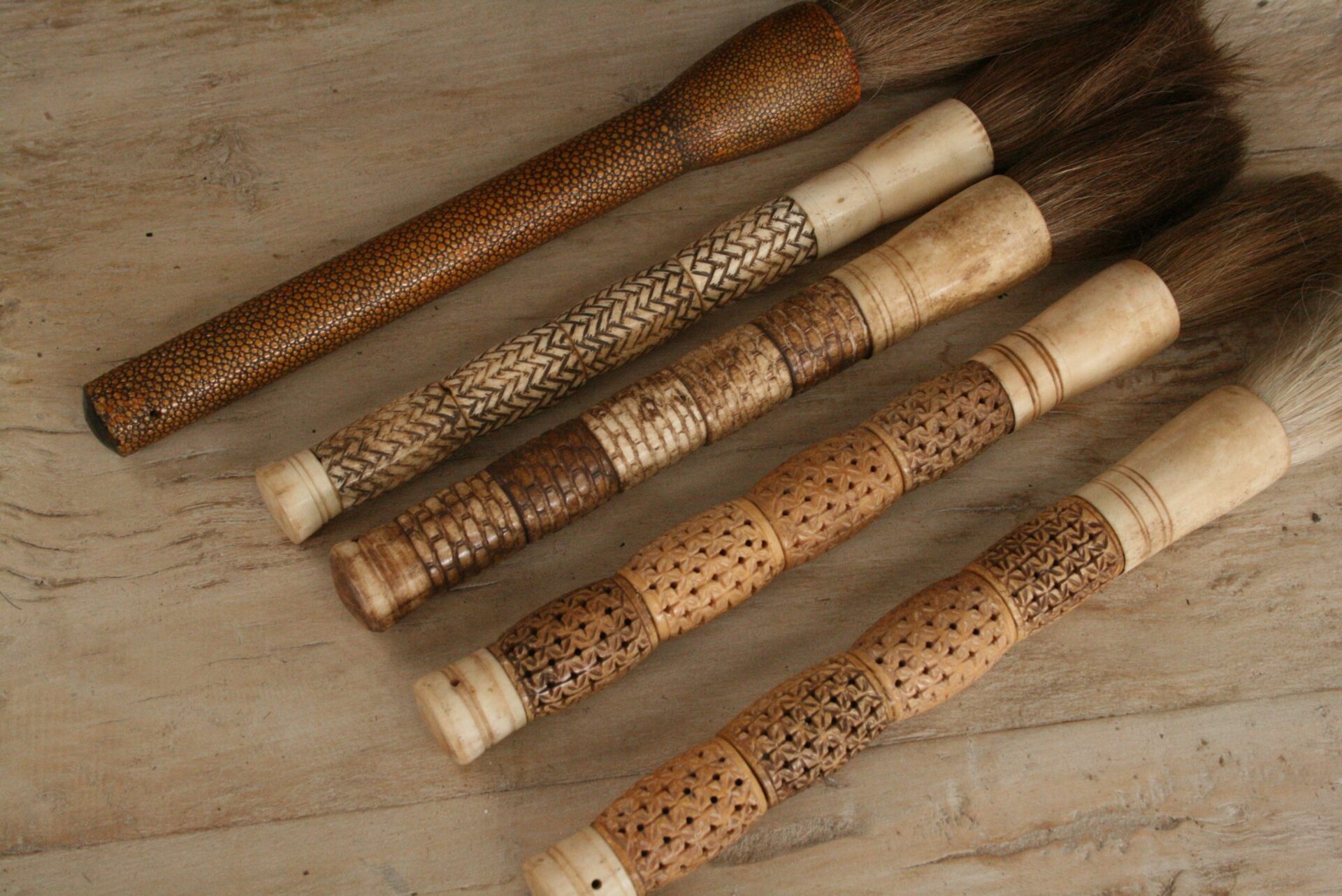
Home Decor

Home Decor
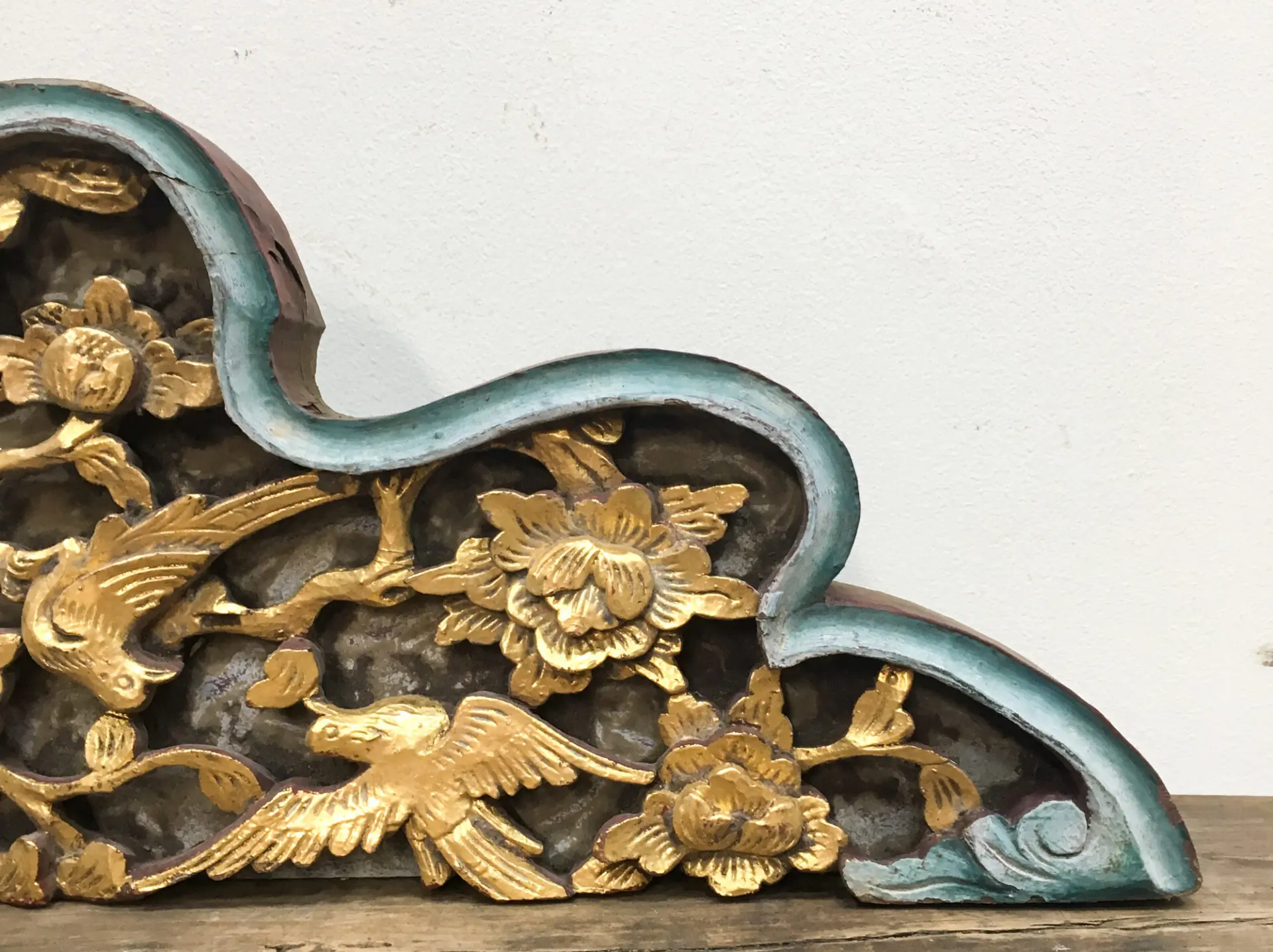
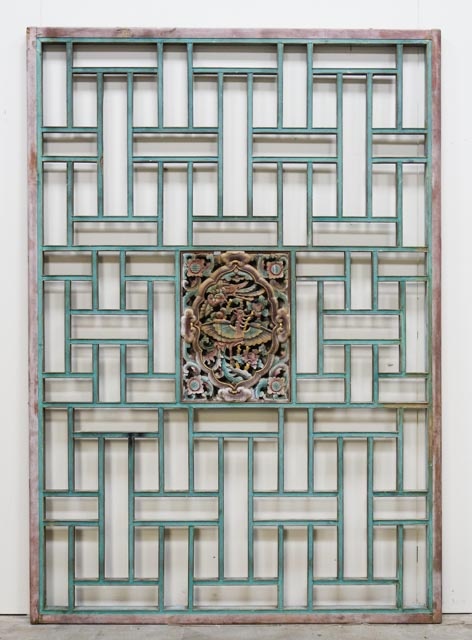
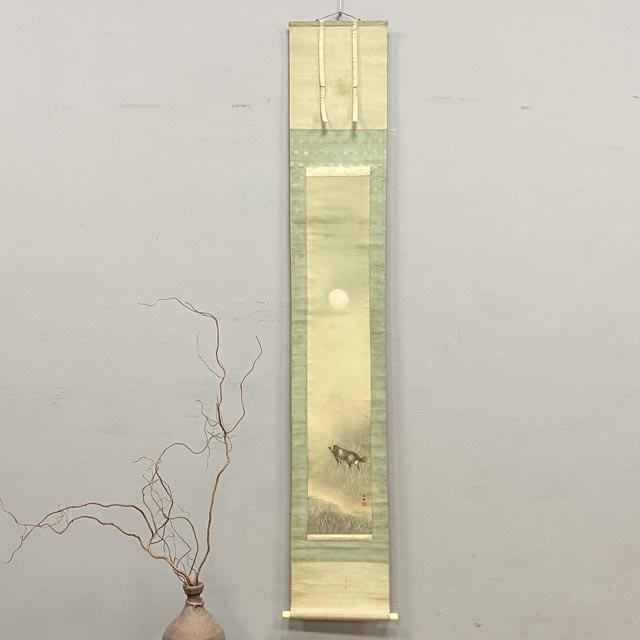
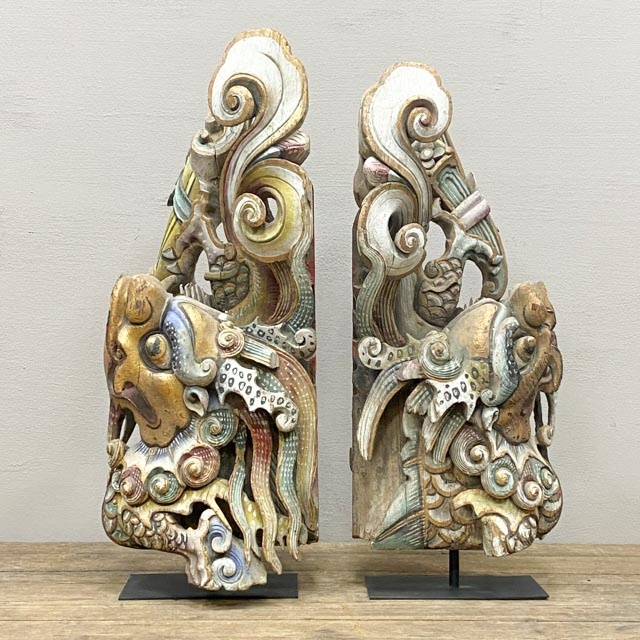
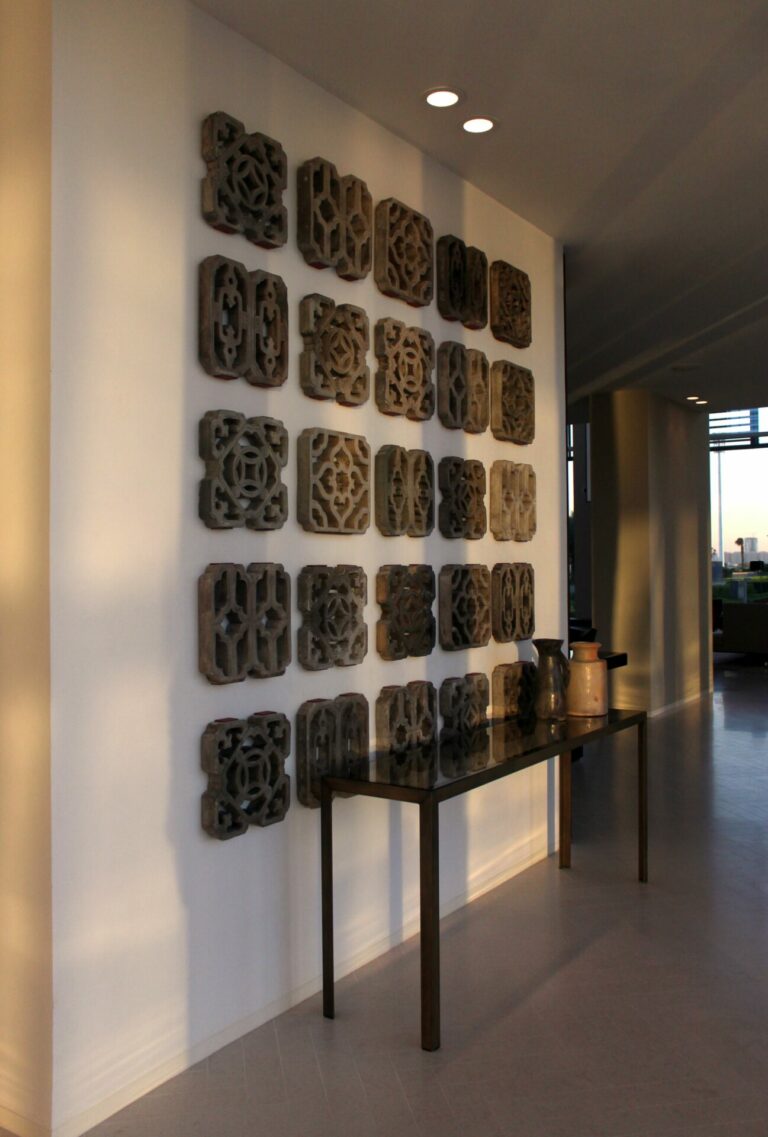
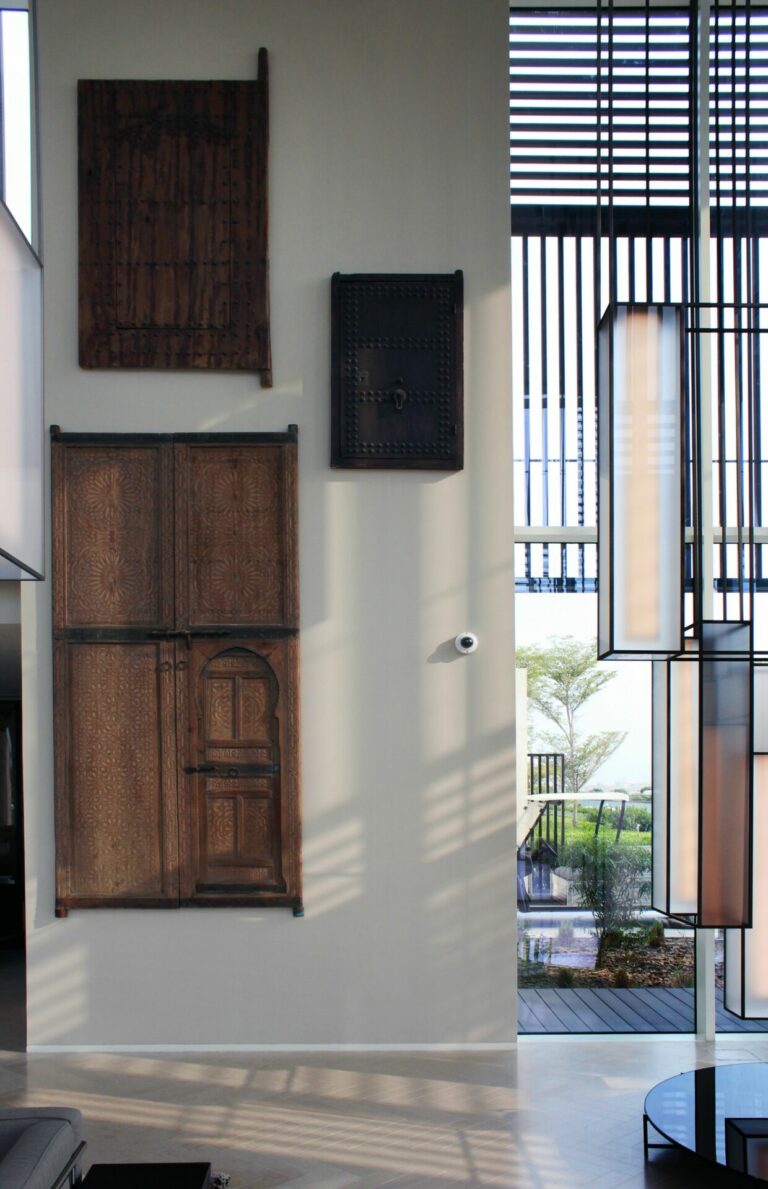
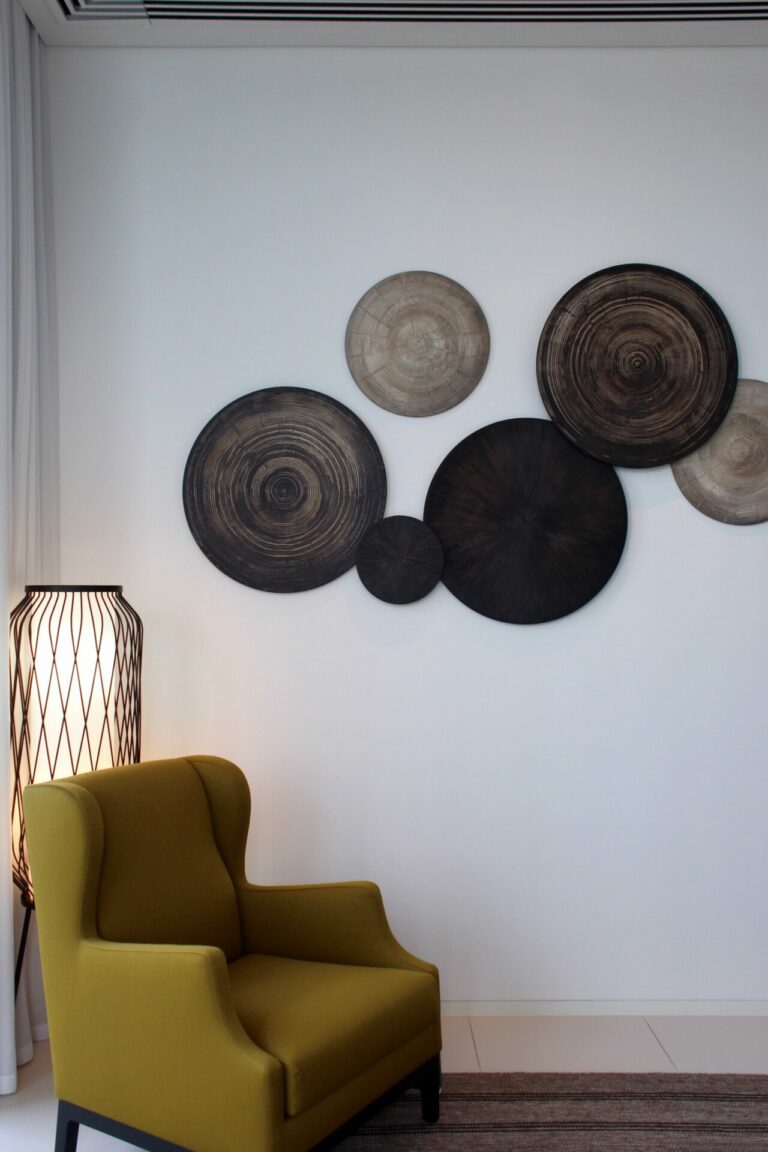
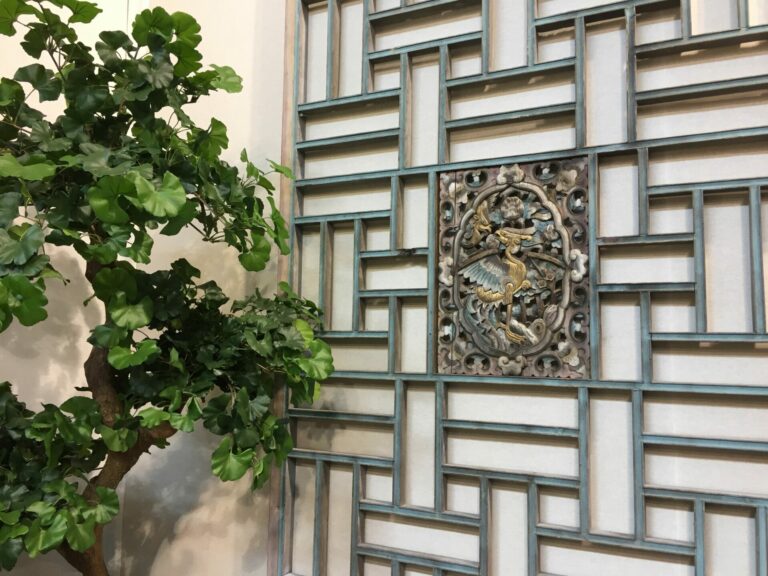
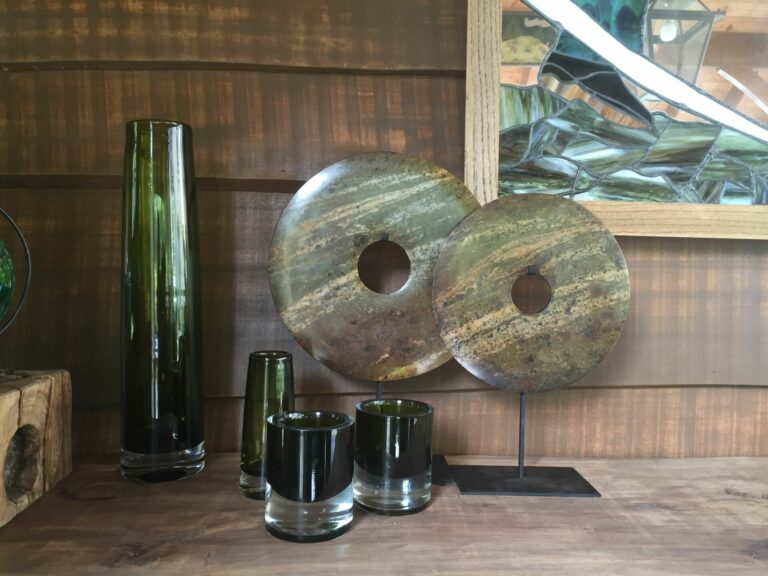
Within our collection we have many wonderful and unique home decor from all over Asia: From weathered wooden tools to antique panels to minimalist sculptures. You’ll find them all here! The minimalist shapes and unique rustic refined designs give a luxurious appearance and make our Asian home decor ideal to use in modern interiors.
Home Decor Categories:
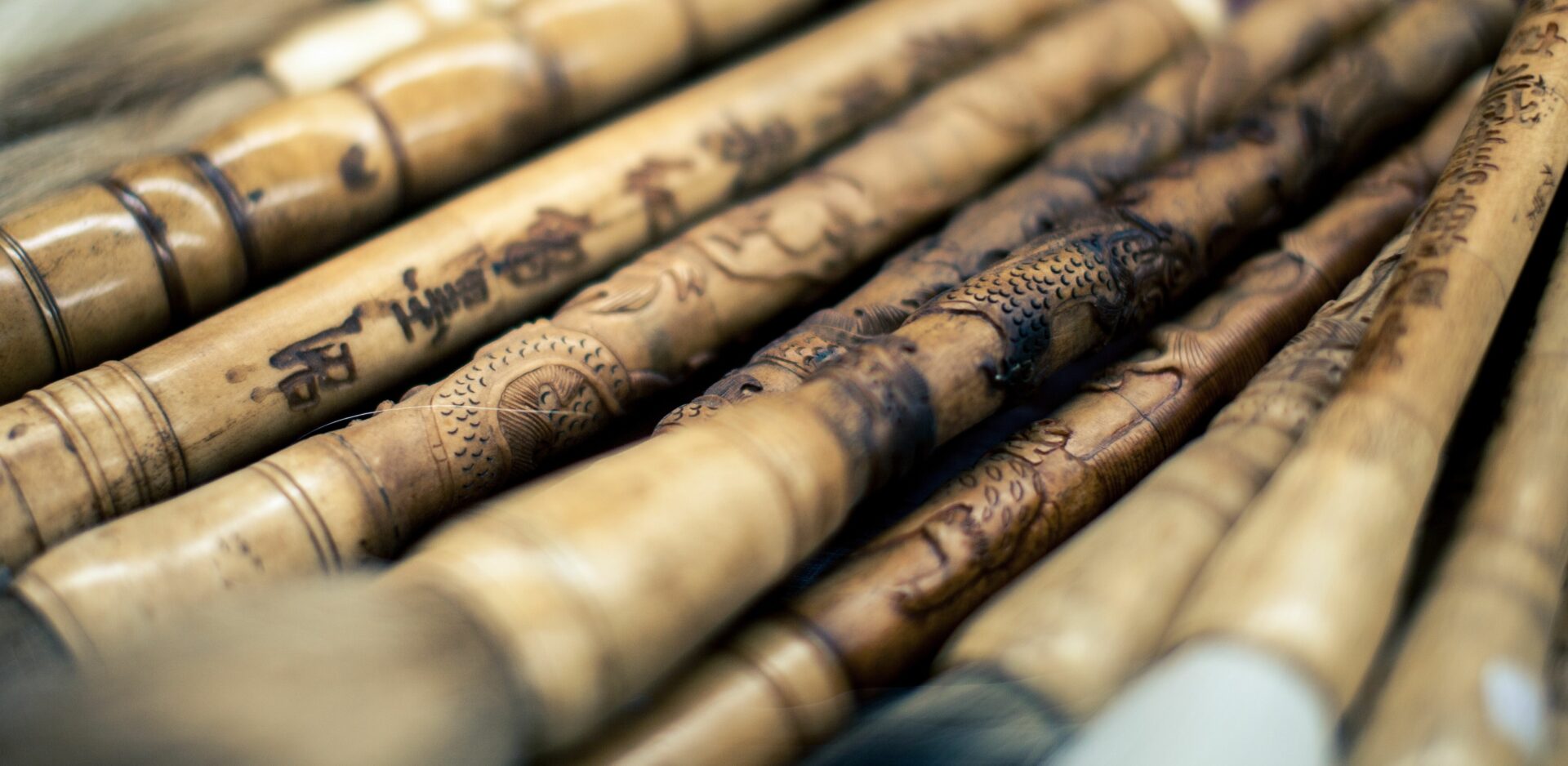
Accessories
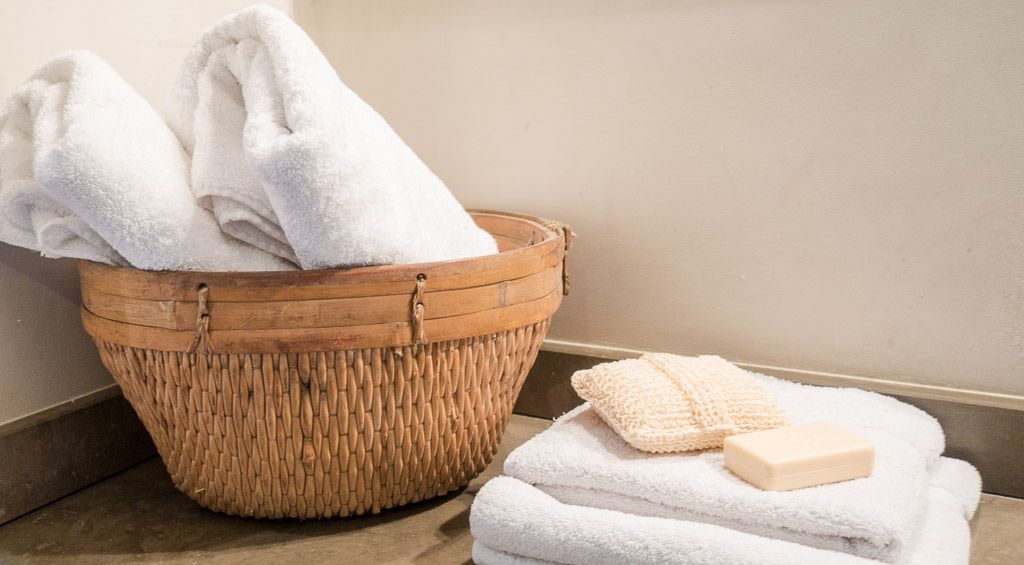
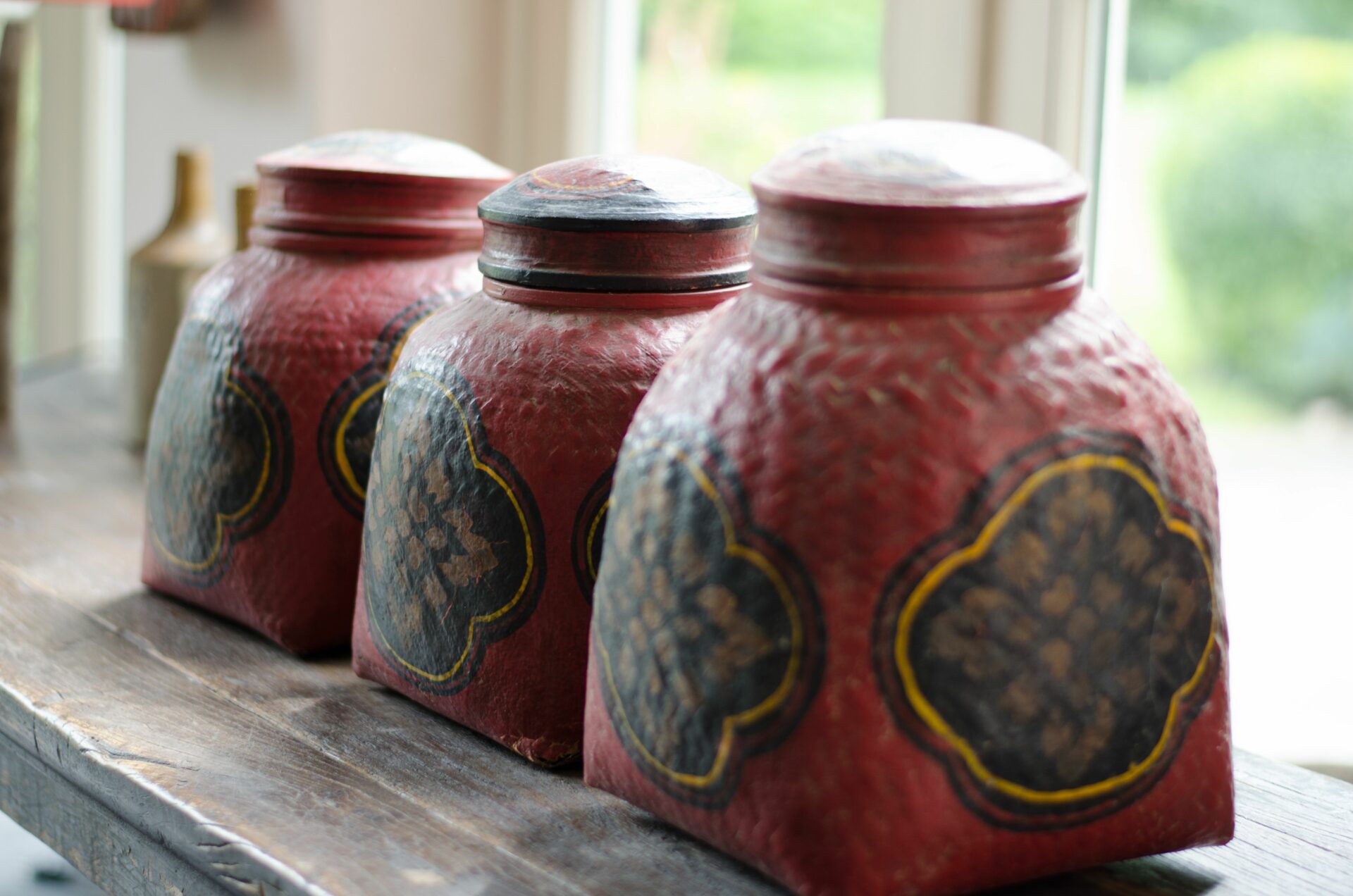
Baskets, Boxes and Containers
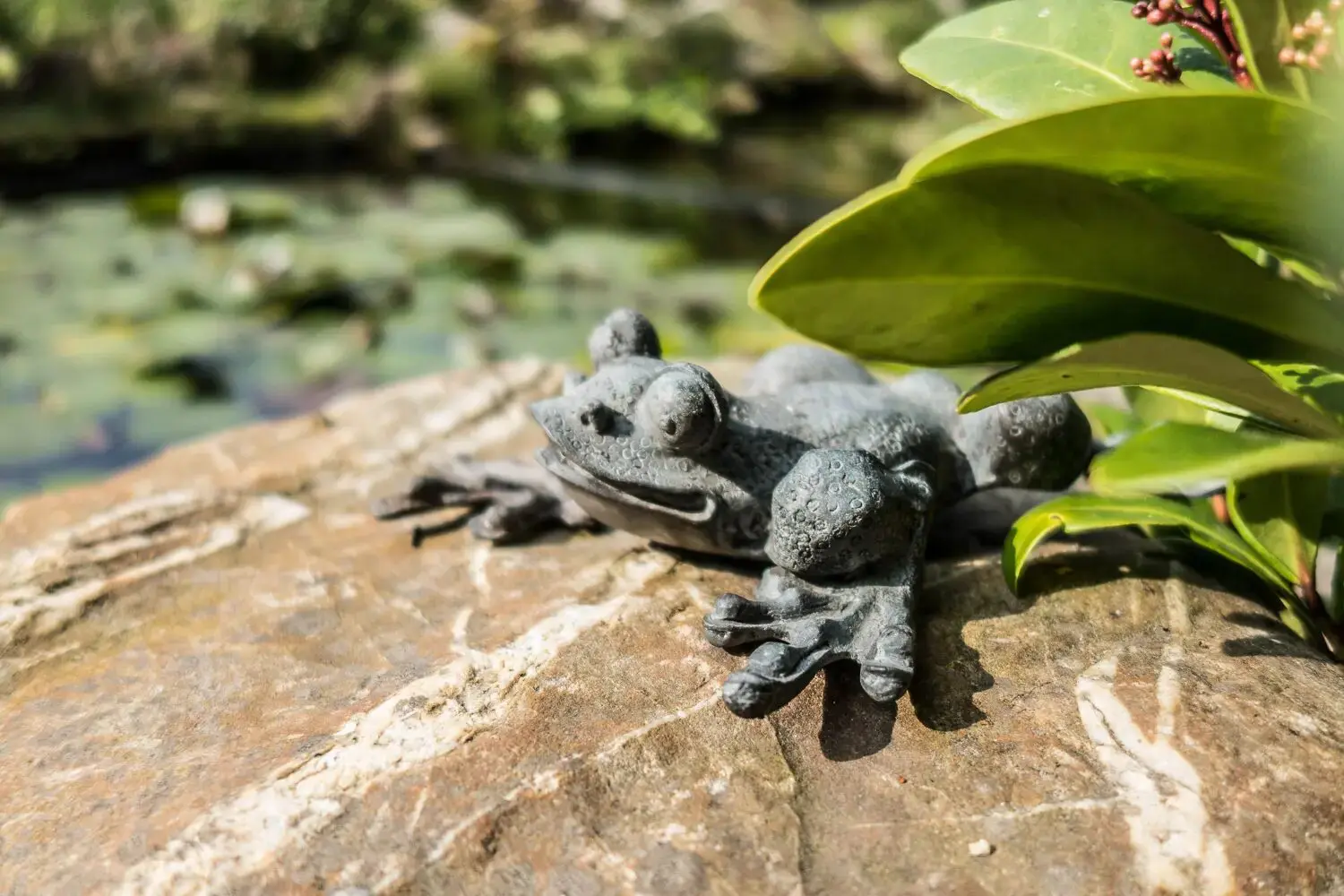
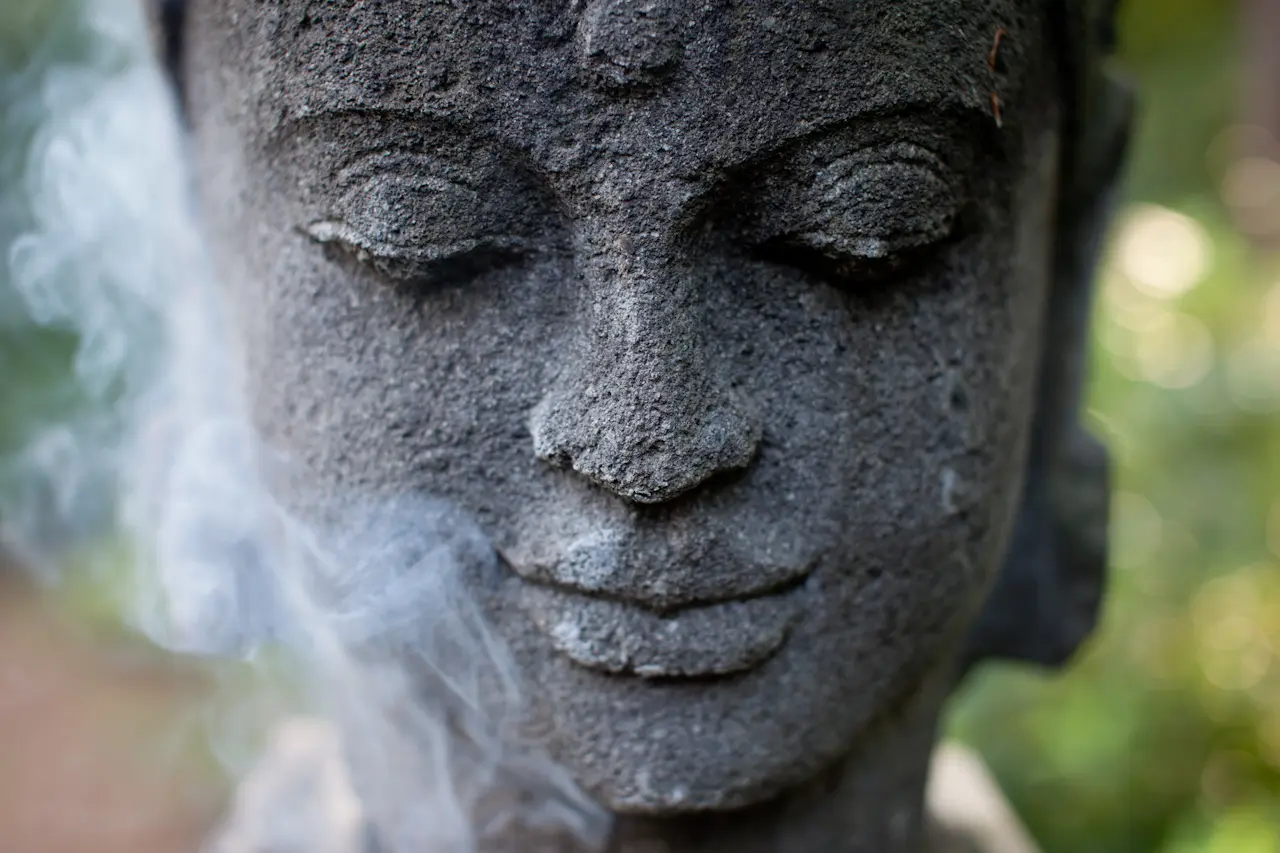
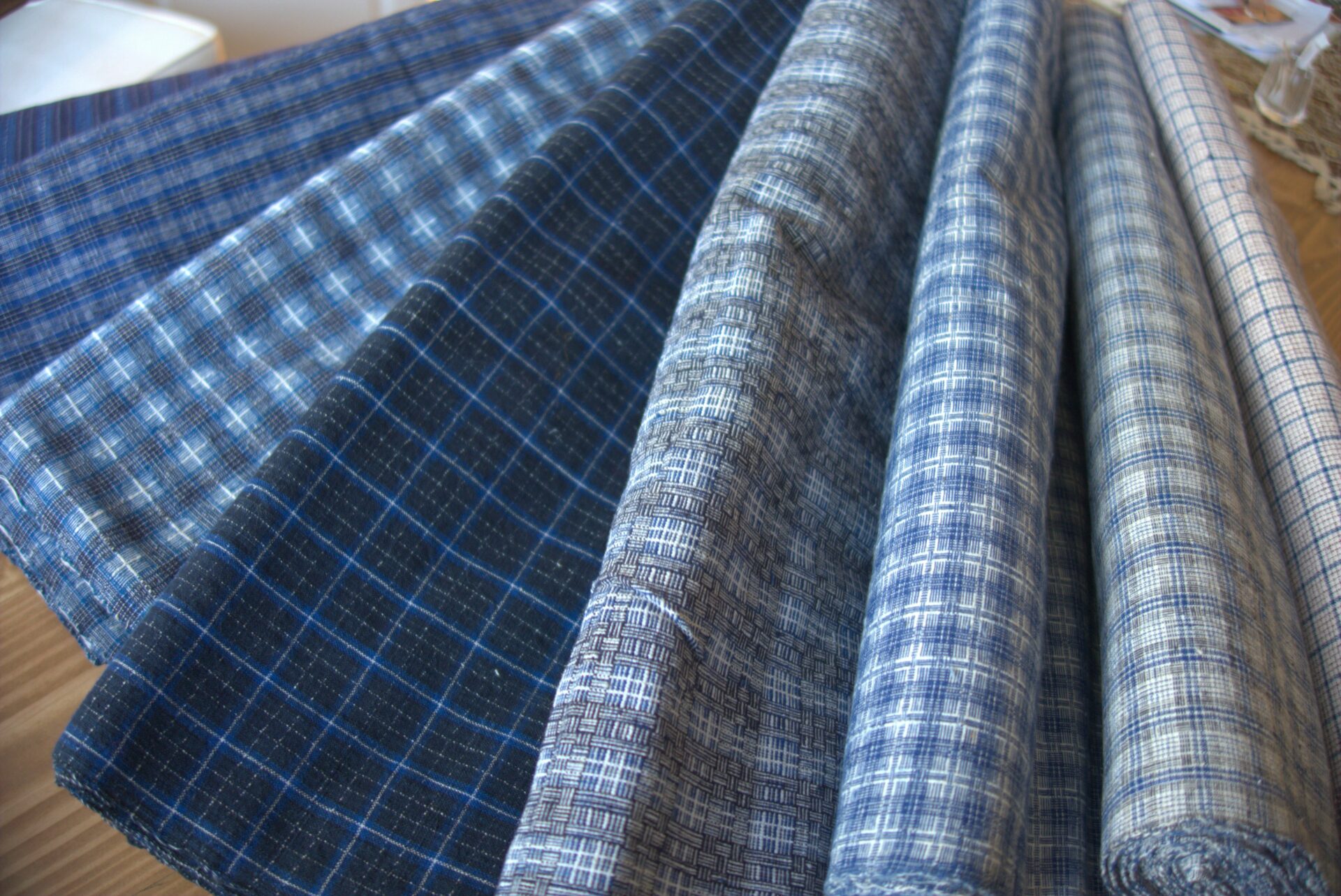
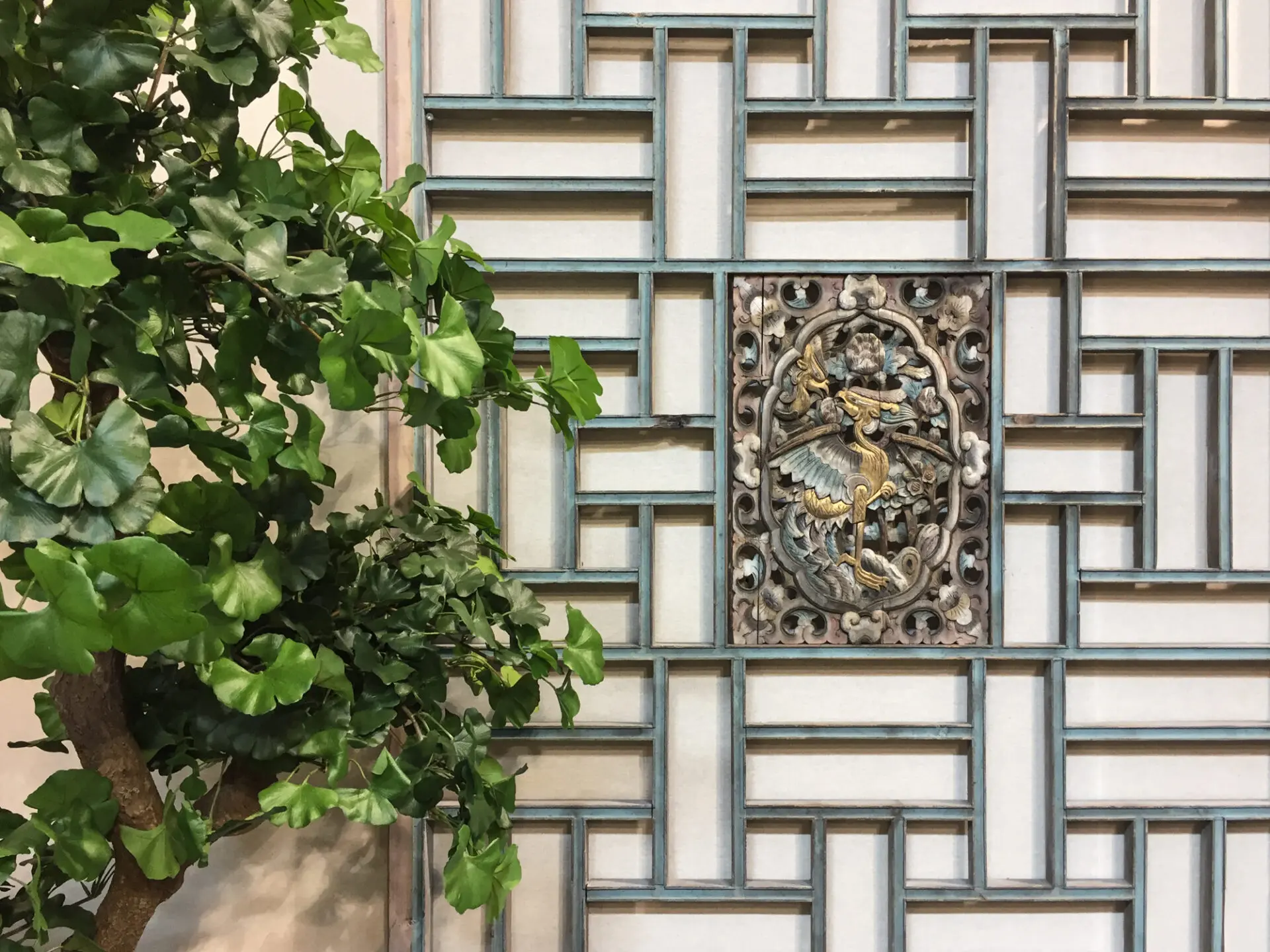
We have 969 home decor pieces in stock right now
Our in-stock collection of home decor is ever-changing with unique items. On this page we give an indication of our collection of home decor we have to offer. Please take a look.
To see all the home decor we have in stock at this moment you will need to login. Click the buttons to login or register. Please note that we need to manually approve your registration. If you have any questions please contact us.
What makes our home decor stand out?
Many antique decorations and decorative accessories we have found have a long and rich history in their country of origin. Whether it is an interesting colour, shape or specific object, we always try to find out everything about it, because we believe the story and history of objects carry value for our clients!
Why choose our Home Decor?
- Handmade Excellence: We source and curate personally from artisans, salvage and trusted suppliers, to ensure authenticity and high quality.
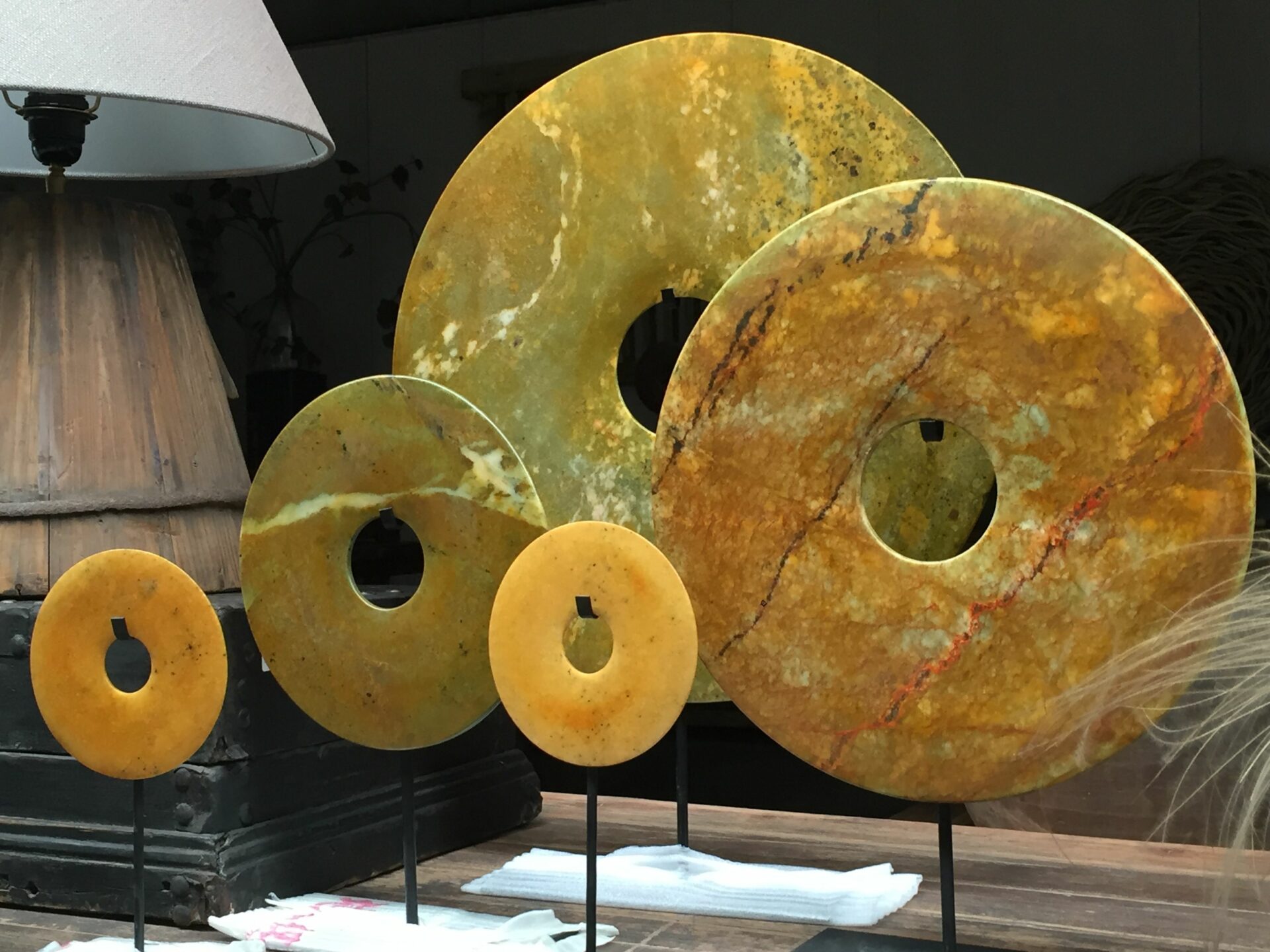
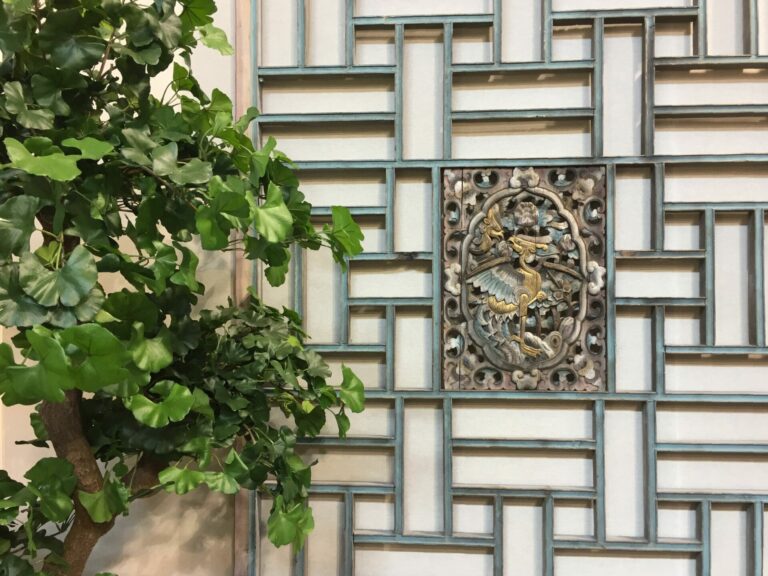
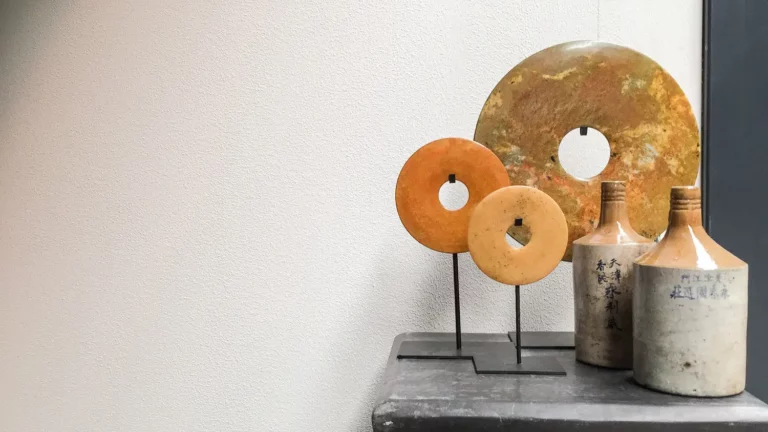
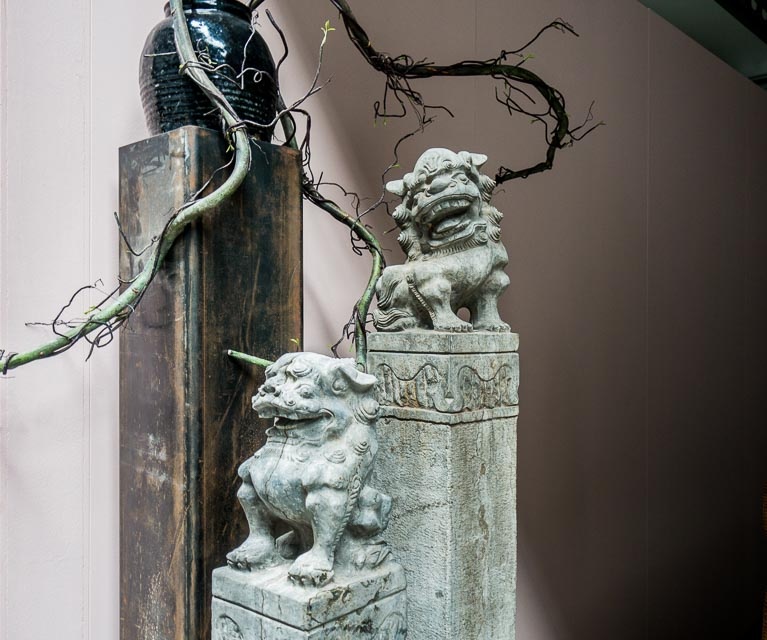
- Wide Range of Styles and Sizes: Our large and unique collection makes us one of the best wholesalers for Asian and rustic style home decor. Whether you’re looking for architectural ornaments, wooden wall decoration, ethnic statues or colorful bi discs we have a wide range of unique home decor pieces in all kinds and sizes.
- Unique and high quality furniture: Our oriental home decor represents the understated elegance, simplicity and timelessness found in Asia. All personally sourced our Asian home decor is highly unique and breathes elegance and luxury.
- Excellent service: Our team is ready to help you find the home decor you need for your design project. Don’t we have the perfect home decor piece you need? Then we help you find it with our large network build over years of sourcing.
Want to see more?
Frequently asked questions about home decor
What is the origin or story behind the decorative pieces?
Many decorative pieces have a known origin, age, material or former use, which we include in the product description when available. Some pieces remain more mysterious, and that is part of their appeal. Each object is selected because it carries presence, texture and a sense of history.
Are all items unique, or are they available in limited quantities?
Old and handmade decorative pieces are usually unique. Sometimes we find groups of similar objects, but they will not be identical. Newly made pieces may be available in larger quantities, although we avoid perfect copies. When more pieces are needed for a project, contact us and we will check the sourcing options.
Can small decorative pieces be ordered individually?
Small decorative pieces can often be selected individually, but The Silk Road Collection works B2B. Orders must meet our trade conditions and minimum order value. If you are a private client, we recommend asking your interior designer or retailer whether they source through us. Our minimum order value is €750 (excl. VAT).
Are there style categories or collections they can be combined with?
Our decoration can be combined across many interior styles: wabi-sabi, Japandi, rustic, Mediterranean, Asian-inspired, colonial, eclectic, classic, Scandinavian and modern. The strongest interiors rarely follow one style too literally. They combine texture, scale and restraint.
Are the items fragile, or suitable for retail environments with customers?
It depends on the material, age and placement. Some pieces are robust enough for retail displays; others should be used in quieter areas, behind counters, in vitrines or as visual accents. Tell us about your project and foot traffic, and we can advise which pieces are suitable.
What falls under Asian home decoration?
Asian home decoration includes objects, textiles, vessels, woodwork, stone pieces, wall panels, baskets, trays, statues, garden objects and table decoration from or inspired by Asian regions. In our collection this includes Chinese, Indonesian, Thai, Japanese and other regional influences, often with natural materials and weathered surfaces.
How do you add more character to an interior with authentic decoration?
Use authentic decoration as contrast, not filler. One strong object with patina, material depth or unusual proportion does more than ten generic accessories. Antique bowls, wooden tools, stone pieces, baskets or wall panels can make a space feel collected, grounded and human.
Which decoration suits a wabi-sabi interior?
Wabi-sabi interiors work best with natural materials, quiet colours and objects that show age, use or irregularity. Choose weathered pottery, raw wood, stone, handmade textiles, old bowls or simple sculptural objects. The piece should feel calm, not decorative for decoration’s sake.
Which decoration suits a Japandi interior?
Japandi interiors need restraint: neutral tones, simple forms, natural texture and enough empty space around each object. Weathered pots, low wooden stools, stone pieces, soft textiles and minimal wall decoration work well. Avoid too many small accessories; Japandi becomes weak when it turns cluttered.
How do you combine old objects with new design?
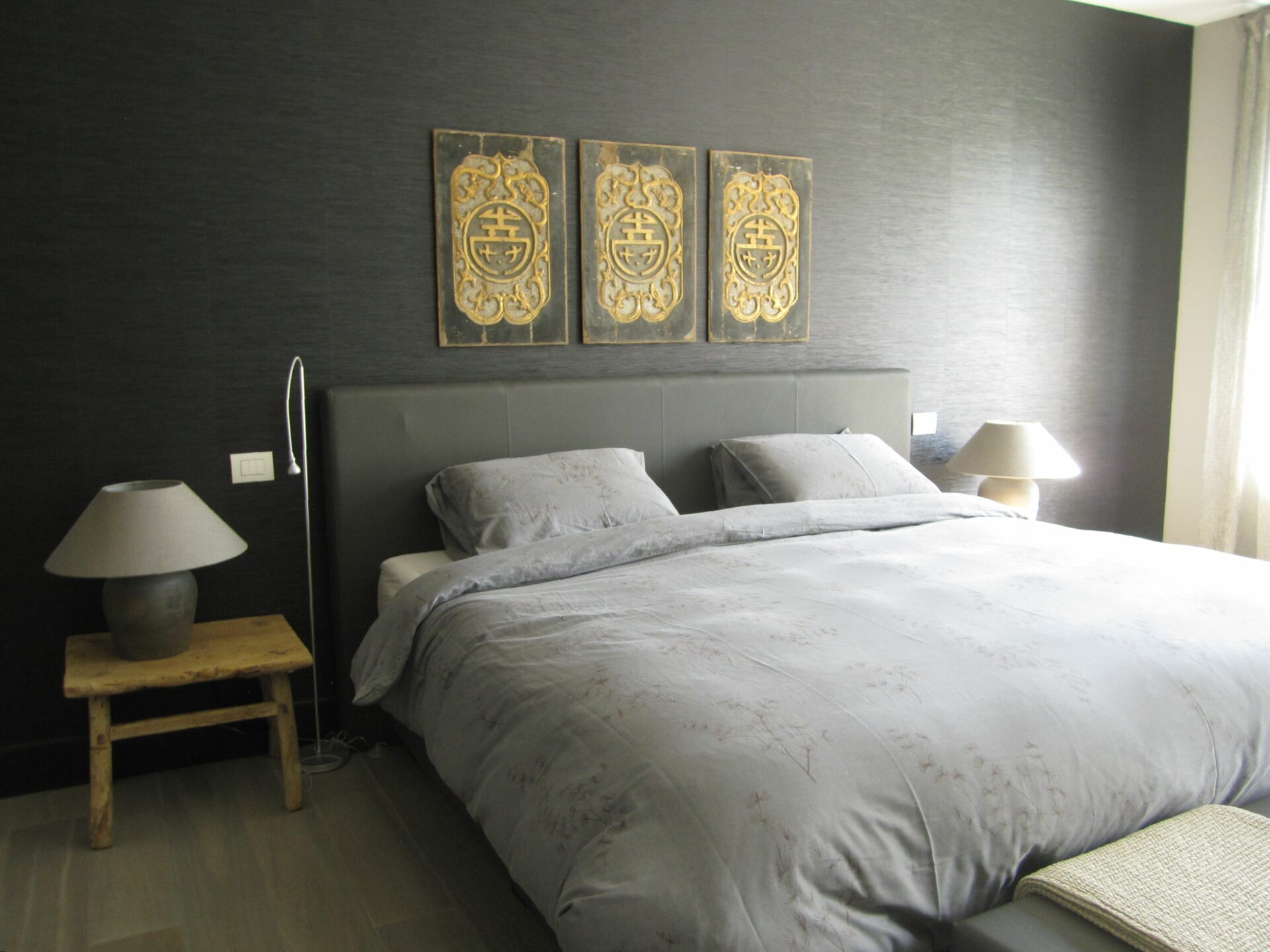
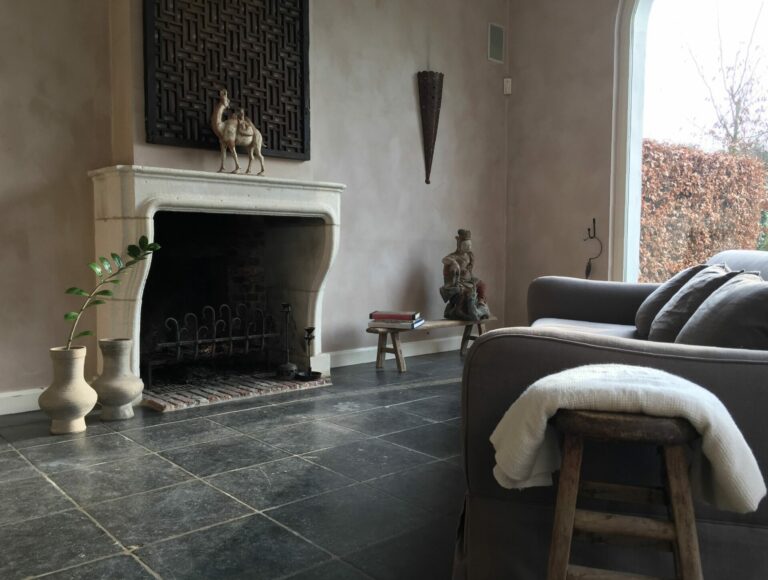
Let old objects bring weight and new design bring clarity. A weathered pot on a clean console, an antique panel above a modern sofa or a rustic bowl on a sharp table creates tension. The contrast should look intentional, not random. Use fewer pieces and give them space.
Why are imperfections important in authentic decoration?
Imperfections separate authentic decoration from factory repetition. Variation, wear, old repairs and uneven surfaces make an object feel lived with, not just produced. In high-end interiors, that difference matters: the room gains depth, warmth and individuality without needing more colour or ornament.
How do you prevent decoration from looking cluttered?
Edit hard. Choose fewer, better pieces and leave space around them. Mix scale rather than placing many small objects together. Repeat materials or tones to keep the room calm. In a strong interior, decoration should guide the eye, not shout from every shelf.
How do you create a warm, lived-in atmosphere with decoration?
Use natural materials, soft neutrals, warm wood, old ceramics, textiles, plants and objects with visible age. A lived-in atmosphere comes from depth, not volume. The goal is not to fill the room, but to give it pieces that feel chosen, used and quietly personal.
Which decoration works well with natural materials such as wood, linen and stone?
Weathered pottery, old wooden objects, stone sculptures, baskets, handmade textiles and neutral ceramic pieces work especially well with wood, linen and stone. Stay close to natural tones and vary texture instead of adding too many colours. This keeps the interior warm, calm and layered.
What is the difference between vintage, antique and authentic decor?
Antique usually means over 100 years old. Vintage is younger, often several decades old. Authentic decoration is not only about age; it refers to pieces with real material, origin, use or handwork rather than mass-produced imitation. At TSRC, the product description explains what applies to each piece.